What to Avoid After Periodontal Treatment for Better Healing
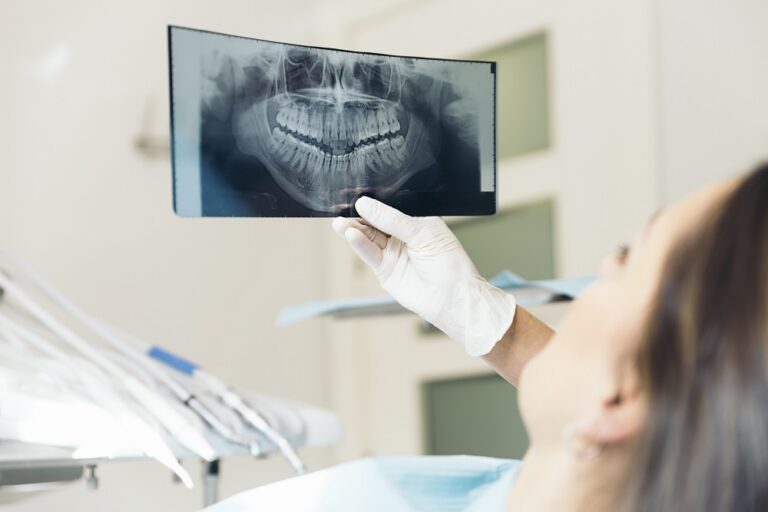
Periodontal treatment can do excellent work, but the treatment itself is only part of the result. Healing is where the real outcome takes shape. I have seen two patients receive nearly identical care and end up with very different recoveries, often because one protected the area properly and the other treated the next few days like business as usual.
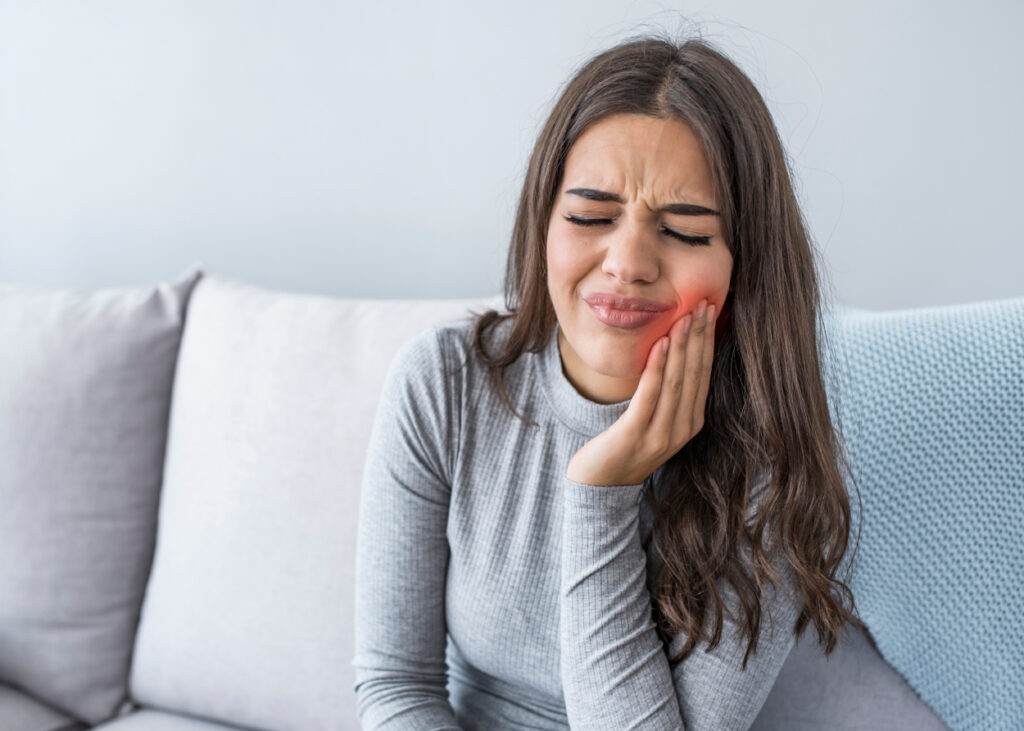
That gap matters. Gum tissue is delicate after scaling and root planing, gum surgery, flap procedures, grafting, or localized antimicrobial therapy. Even when discomfort feels manageable, the tissues are still trying to reattach, settle, and reduce inflammation. The first several days can influence bleeding, swelling, sensitivity, and how comfortably you return to normal eating and brushing. In more involved cases, they can affect how stable the site remains over the next few weeks.
Most patients ask what they should do after treatment, which is important. Just as important is what they should avoid. Some of the biggest setbacks come from habits that seem harmless: chewing on the wrong side too soon, rinsing too aggressively, skipping meals because the mouth feels tender, or restarting a tough gym session the same night. None of those choices sounds dramatic in the moment. Together, they can slow healing and make the mouth angrier than it needs to be.
Why the hours after treatment are so sensitive
After periodontal treatment, the gums are not merely sore. They are biologically busy. The body is forming an early clot where needed, reducing bacterial load, managing inflammation, and beginning tissue repair. If the procedure involved surgery or grafting, there may also be sutures, a protective dressing, or a donor site that needs its own attention.
In routine non-surgical Periodontal Treatment, such as deep cleaning below the gumline, the tissues may look normal from across the room but remain highly reactive. A patient may say, "It only feels a little tender, so I figured I could eat chips." Then the next day the gums are puffy, spots are bleeding again, and cold water stings sharply. Mechanical irritation is often the culprit.
In surgical cases, the stakes are even more obvious. Tugging on the lip to "take a look," brushing too close to stitches, or smoking within the first day can disrupt an area that was carefully stabilized. Healing tissue does not like friction, heat, dehydration, or nicotine. It also does not appreciate neglect. There is a balance here: protect the area without abandoning all oral hygiene.
Do not eat like nothing happened
Food choices after periodontal treatment make a real difference, especially in the first 24 to 72 hours. One of the most common mistakes is jumping back into crunchy, hard, or seeded foods because the numbness has worn off and hunger takes over. The problem is not only pain. Tiny fragments can lodge near the treated area, and harder textures can traumatize tissue that is trying to settle.
Toast, chips, crusty bread, popcorn, nuts, raw carrots, granola, and seeded crackers are frequent troublemakers. Rice can also become surprisingly annoying after gum surgery because small grains migrate into places you do not want them. Spicy foods deserve caution as well. They do not damage tissue in the structural sense, but they can create a burning sensation that makes patients miserable and more likely to poke at the area.
Temperature matters too. Very hot coffee or soup right away can increase bleeding in some cases. Ice-cold drinks are not always ideal either if root surfaces were recently cleaned and sensitivity is high. Lukewarm or cool, soft food tends to be the least troublesome early on.
The safer approach is not glamorous, but it works: yogurt, eggs, oatmeal that has cooled, mashed potatoes, smoothies eaten with a spoon if advised, soft fish, pasta, applesauce, cottage cheese, and well-cooked vegetables. For a patient who has had a graft, I usually think in terms of "foods you could eat without really chewing" for the first day or two, then a gradual return based on comfort and your clinician's instructions.
It is also wise to avoid chewing directly over the treated side until tenderness and swelling clearly improve. Patients often underestimate how much unconscious pressure they use when they "just test it a little."
Do not smoke, vape, or use nicotine if you want predictable healing
This is one area where polite phrasing sometimes gets in the way. Nicotine is hard on gum healing. Smoking reduces blood flow, affects oxygen delivery, irritates tissue, and raises the risk of delayed healing and post-treatment complications. Vaping is not a free pass. Heat, chemicals, and the physiologic effects of nicotine still work against the tissue response you want.
People often focus on infection risk, which is valid, but even short-term healing quality can suffer. The gum may remain inflamed longer, the site may feel more painful, and the tissue response may be less stable. If a graft or surgical site is involved, that risk becomes more serious. A technically excellent procedure can be undermined by nicotine exposure in the recovery window.
If quitting entirely feels out of reach, even a temporary nicotine-free period after treatment is better than none. That said, "cutting back" is not the same as protecting healing. Patients sometimes smoke less but still within the most vulnerable period, then wonder why the site seems slow to settle.
Do not rinse hard, spit forcefully, or poke the area
The first day is where people often sabotage themselves with good intentions. They feel blood or a strange taste and start rinsing over and over. Or they spit repeatedly to "clear the mouth." Both actions can disturb early healing.
Gentle care is not the same as inactivity. If your dentist or periodontist gave you a rinse schedule, follow that schedule exactly. The issue is force. Swishing like mouthwash in a commercial, spitting from deep in the throat, or repeatedly checking the site with your tongue can irritate tissue and restart oozing.
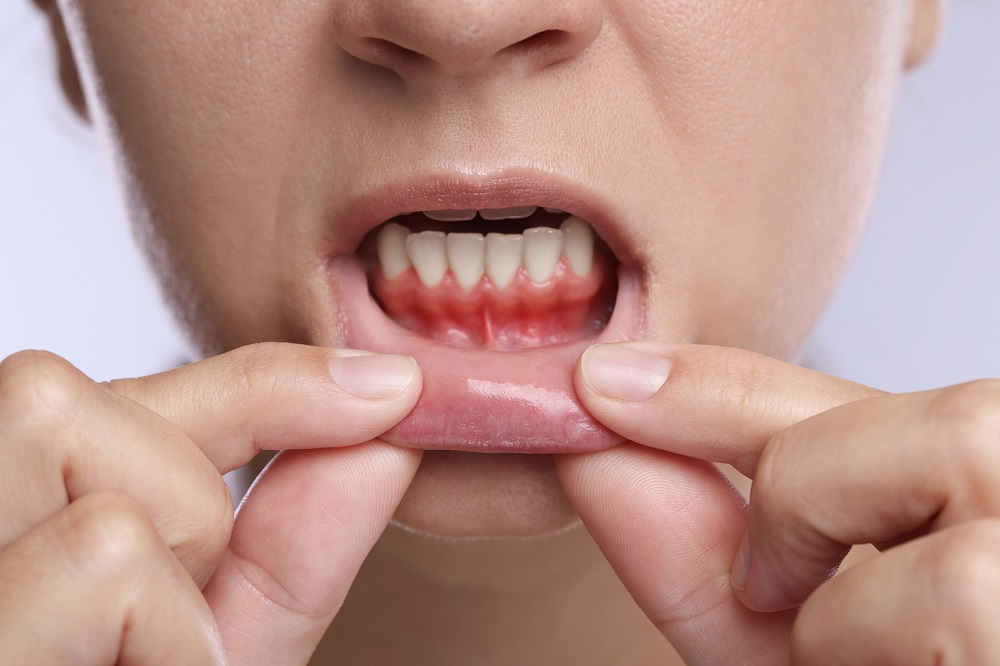
The same goes for fingers, toothpicks, and the classic mistake of pulling the lip back in the mirror. Patients are naturally curious. They want to see whether things look normal. Unfortunately, stretching the lip or cheek can pull on sutures and tender gum margins. I have heard more than one patient say, "I was just looking, and then it started bleeding again."
Leave it alone unless you were specifically told to clean or apply something to the area.
Do not brush the treated site too soon or too aggressively
This point needs nuance because poor oral hygiene is also a problem. After Periodontal Treatment, many patients swing to one extreme or the other. Some scrub the area as if they can clean it into healing faster. Others avoid brushing altogether for days and allow plaque to build up. Neither approach helps.
The correct timing and technique depend on what type of treatment you had. After deep cleaning, you are often encouraged to resume gentle brushing fairly soon, using a soft brush and a light hand. After surgery, there may be a period where you clean the untreated areas normally but avoid direct brushing at the surgical site until you are told otherwise.
What should be avoided is aggressive mechanical cleaning. A medium or hard brush, brisk sawing motions, and "getting in there" because the gums feel rough will usually backfire. Treated roots can be more sensitive, and the gum edge may be tender enough that overbrushing causes bleeding and discourages the patient from cleaning at all the next day.
If your mouth feels coated and you are not allowed to brush a specific spot yet, that does not mean the whole mouth should be neglected. Clean the rest thoroughly and protect the treated site according to instructions. Selective care is often the right strategy.
Do not return to intense exercise immediately
Exercise advice tends to surprise people because it seems unrelated to the mouth. It is not. Heavy lifting, vigorous cardio, hot yoga, and anything that spikes blood pressure can increase throbbing, swelling, or bleeding soon after treatment. Most healthy adults do fine with a short pause, but ignoring that pause can make the evening noticeably worse.
This matters especially on the day of treatment. A patient may feel normal enough after a late morning appointment and decide to squeeze in a hard workout after work. By bedtime, the gums are swollen, the site is pulsating, and there is https://www.showmelocal.com/profile.aspx?bid=23447913 a metallic taste that was not there earlier. That scenario is common enough that most clinicians warn against strenuous activity for a reason.
Walking is usually a different story. Gentle movement is often fine unless you were given restrictions for sedation, surgery, or a medical condition. The key is avoiding strain, heat, and impact while the site is vulnerable.
Do not ignore your diet, hydration, or sleep
Healing is local, but recovery is systemic. People who eat very little after treatment because chewing feels inconvenient often end up feeling weaker, more inflamed, and less tolerant of discomfort. Dehydration also makes everything feel worse. Saliva matters, especially when tissues are irritated and the bacterial environment is shifting.
Sleep is another factor patients underestimate. Poor sleep tends to amplify pain perception and may prolong the sense that "something is wrong," even when healing is clinically on track. A good recovery evening is usually quiet: soft food, prescribed or recommended aftercare, water, and rest.
Alcohol deserves a mention here. It can irritate tissue, interact with certain medications, and contribute to dehydration. If you were prescribed antibiotics or stronger pain medication, the case against alcohol becomes even clearer. Even without prescriptions, the first day or two is not an ideal time for drinks that dry the mouth and lower judgment around food choices or smoking.
Do not take medications casually
Medication mistakes are more common than people think. Some patients skip anti-inflammatory medication until discomfort becomes intense, which makes pain harder to catch up with later. Others double up on over-the-counter products without checking whether they are combining ingredients unsafely. The most preventable issue is stopping an antibiotic early because the mouth "already feels better."
Your post-treatment plan may include pain relievers, antimicrobial rinses, antibiotics, or desensitizing products. They all work best when used as directed, not improvised. A mouthrinse prescribed for a surgical site may be helpful only in a certain pattern. Using more is not automatically better. Likewise, taking aspirin on your own when bleeding is already a concern may not be a smart choice unless your clinician specifically approves it in your situation.
Patients who have a complex medical history need to be especially careful. If you take blood thinners, immunosuppressive medication, diabetes medication, or have a history of stomach ulcers or kidney disease, "standard advice" from a friend may be entirely wrong for you.
A few habits that cause trouble more often than patients expect
Some behaviors are worth calling out because they feel minor but repeatedly create problems in real recovery.
- Drinking through a straw when suction is not advised
- Chewing gum during the first healing phase
- Using whitening products on recently treated teeth and gums
- Clenching or grinding, especially during stressful days after treatment
- Skipping follow-up visits because the mouth feels "mostly fine"
The whitening point catches people off guard. After deep cleaning, root surfaces can be more exposed and sensitive. Adding whitening strips or strong whitening toothpaste too soon often leads to zingers and irritation that patients mistake for a failed treatment.
Grinding and clenching deserve special attention too. They are not always avoidable, especially at night, but they can increase soreness around recently treated teeth. If you already wear a night guard, ask whether and when to resume using it after surgery or extensive gum therapy rather than guessing.
What "normal" healing usually feels like, and what should worry you
Part of avoiding setbacks is recognizing the difference between expected discomfort and signs that deserve a call. Mild oozing, tenderness, temperature sensitivity, a strange texture along the gums, and some swelling are all common after many forms of periodontal care. If local anesthetic was used, uneven biting or accidental cheek chewing can also happen while numbness fades.
What concerns me more is not ordinary soreness but a pattern that worsens instead of settles. Pain that escalates sharply after the first day, bleeding that does not ease with appropriate pressure, swelling that becomes significant, foul taste with increasing discomfort, fever, or a dressing or graft area that looks clearly displaced should prompt contact with the office. A patient does not need to diagnose the issue. They just need to report the change promptly.
Here is a practical guide patients can use:
- Expected: mild bleeding or pink saliva early on, tenderness, sensitivity, and gradual day-by-day improvement
- Call the office: heavy bleeding, pain that keeps intensifying, marked swelling, fever, pus, or a site that appears to open or shift
That call is rarely an overreaction. Clinicians would rather answer a small concern early than manage a preventable complication later.
The trap of feeling better too soon
One of the trickiest parts of recovery is that improvement can create overconfidence. A patient feels decent on day two, eats something sharp, skips the rinse, brushes too aggressively because the gums look less red, and wakes up on day three wondering why everything flared. Healing is rarely linear. Tissue can be less painful before it is fully resilient.
This is especially true after non-surgical Periodontal Treatment because recovery may seem deceptively easy. There are often no stitches and no dramatic visible wound, so patients assume restrictions do not matter. Yet the gum pockets have been instrumented, inflamed tissue has been disturbed, and root surfaces may be temporarily sensitive. Respecting that process for several days often makes the difference between a smooth recovery and an annoying one.
The same principle applies to food. The fact that you can chew something does not mean it is wise to chew it yet. Comfort is helpful feedback, but it is not the only guide.
What helps recovery go smoothly
Once you remove the behaviors that commonly interfere with healing, the rest is fairly straightforward. Gentle oral care, appropriate rinsing if prescribed, soft foods, hydration, rest, and patience solve most post-treatment problems. Follow-up visits matter because they allow your provider to check how the tissue is responding, remove dressings or sutures if needed, and adjust home care before a small issue becomes a bigger one.
Patients often want a single rule that covers every situation, but the truth is more practical than that. The deeper or more surgical the treatment, the more carefully you should protect the site. If you had a simple localized deep cleaning, your return to normal may be fairly quick. If you had flap surgery or grafting, the recovery window is longer and the tissue is less forgiving. When instructions from your own dental team are specific, those instructions take priority over generic advice because they reflect what was done in your mouth.
There is also a timing element worth respecting. The first 24 hours are usually about protection. The next several days are about avoiding irritation while keeping the mouth acceptably clean. After that, the goal shifts toward returning to function without provoking inflammation. Recovery is not only about preventing pain. It is about giving the gums the best chance to heal tightly and calmly around the teeth.
Good periodontal care does not end in the chair. It continues at home, in ordinary moments: what you eat for dinner, whether you light a cigarette, how hard you brush, whether you decide to "just check" the area in the mirror. Those choices are small, but they add up fast. When patients avoid the common mistakes and give the tissue a fair chance, healing is usually quieter, faster, and more predictable.
Avra Dental
Address: 1708 S Victoria Ave B, Ventura, CA 93003
Phone number: (805) 941-1001
FAQ About Periodontal Treatment
Can a dentist get rid of periodontal disease?
A dentist or gum specialist (periodontist) cannot fully cure or reverse advanced periodontal disease (periodontitis), but they can successfully stop its progression and manage the infection.
Is periodontitis very serious?
Yes, periodontitis is a very serious, advanced form of gum disease that destroys the bone and tissues supporting your teeth.
How is stage 2 periodontal disease treated?
Stage 2 periodontal disease (early to moderate periodontitis) is primarily treated with non-surgical deep cleaning procedures like scaling and root planing to remove bacteria and tartar below the gumline.